Ruth Maposa | October 30, 2026

An organisation can have a clear strategy and ambitious targets yet still struggle to deliver on its promises. Often, the challenge lies not in the strategy itself, but in the culture through which it must be carried out.
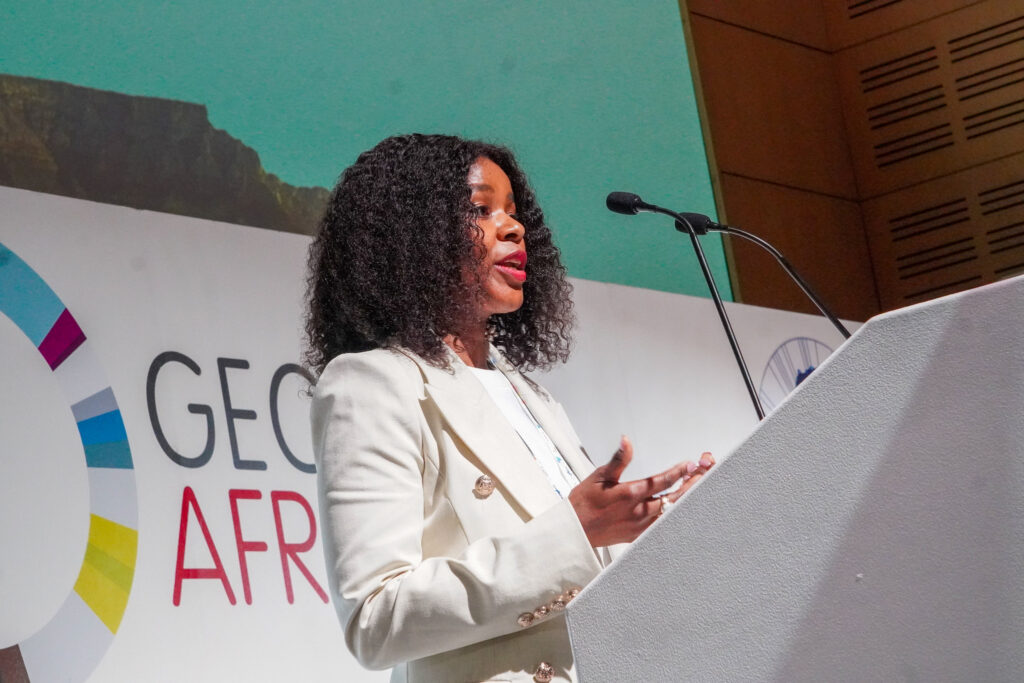
At the ODI: Organisational Excellence event I attended last week, speaker after speaker returned to the relationship between strategy and culture. I found myself thinking about the ordinary working day. When a client is waiting. When a team notices something is wrong. When the person who understands a problem needs permission from someone several levels removed from it.
These are moments in which culture acquires a financial consequence.
Gallup’s 2024 meta-analysis covered more than 183,000 business units across 90 countries. Units in the highest quarter for employee engagement showed a median profitability advantage of 23% and 32% fewer quality defects compared with those in the lowest quarter. Engagement captures only part of culture, and these associations cannot guarantee returns. They nevertheless give weight to the connection between people’s experience of work and organisational performance.
An organisation may promise speed yet require several approvals before anyone can respond. It may promise quality yet make employees uncomfortable about reporting mistakes. Each contradiction burdens the people expected to deliver.
My studies introduced me to Gareth Morgan’s organisational metaphors. Each offers a partial view of organisational life. Together, they help us examine what familiar routines might conceal.
Consider the organisation as a machine.
Processes connect people’s work. Reliability and coordination matter. But imagine trying to increase the speed of a machine while leaving an obstruction in place. More pressure may produce more strain before it produces more output.
A team may work harder while an unresolved decision holds up progress. People stay late to recover time lost earlier. The deadline is met, concealing the effort required to overcome the same obstruction again.
The question for leadership is where that obstruction sits, and why it remains.
African businesses offer examples of investment in changing how people work. Safaricom’s 2024 annual report recorded that 4,498 employees, representing 79% of its staff complement, had completed introductory agile training. That measures the scale of preparation, rather than financial return.
Capitec’s 2025 report identifies culture as a competitive advantage and records R33 million invested in leadership development. Its headline earnings rose 30% to R13.7 billion. Diversification and technology also contributed; culture alone cannot explain the growth. The useful connection is between its emphasis on customer focus and ownership, and investment in people’s ability to deliver.
If an organisation expects ownership, what capability and authority does it give people?
The organisation as a political system brings power into focus.
Someone close to the work may understand a problem but lack the authority to resolve it. Someone with authority may receive an incomplete account or receive it too late. Executives need an accurate understanding of conditions on the ground, while employees need clarity about priorities and constraints. Both need room to ask difficult questions.
Boeing demonstrates why this matters. A 2024 expert panel reporting to the US Federal Aviation Administration found a disconnect between senior management and employees over safety culture. Interviewees questioned whether reporting systems would protect open communication and prevent retaliation.
A leader’s invitation to speak openly gains meaning through what follows it.
South Africa’s VBS collapse reveals a more extreme failure of accountability. The 2018 forensic investigation identified approximately R1.9 billion in gratuitous payments to 53 people and entities. It also described payments intended to buy silence. This was serious misconduct with consequences beyond operational inefficiency. It forces the question: whose interests does an organisation serve when those entrusted with oversight benefit from looking away?
The psychic prison metaphor takes us into the assumptions we stop questioning.
“We have always done it this way” can end a discussion before a process is examined. So can the belief that committed employees are always available, or capable teams can absorb every new demand.
People become exceptionally skilled at making inadequate arrangements work. Their ingenuity protects delivery. Their exhaustion remains largely invisible.
When we celebrate a team for rescuing a situation, do we also ask what made the rescue necessary?
Organisational excellence involves recognising problems early, responding effectively and learning enough to improve what happens next. Speed matters, but a quick decision that creates further work may simply move the delay elsewhere.
We can measure the time between identifying a problem and acting. We can track rework, repeated errors and delivery reliability. These measures help test whether cultural ambitions change performance.
Markets, infrastructure and capital matter too. Culture influences how people respond within those conditions, including whether uncomfortable information leads to action.
I left the ODI event thinking about the distance a strategy must travel before a client experiences its promise. It passes through conversations, decisions, routines and relationships.
An organisation that promises speed must make timely action possible. An organisation that promises quality must make it possible to surface a fault. An organisation that wants to learn must be willing to change something after listening.
The bottom line records some of the consequences. The working day reveals how they were created.