This past weekend, the annual Geekulcha hackathon (GKHack19) took place at 22 on Sloane startup campus. Led by Mixo Ngoveni, it focuses on boosting and sustaining a strong geek culture in South Africa.

This past weekend, the annual Geekulcha hackathon (GKHack19) took place at 22 on Sloane startup campus. Led by Mixo Ngoveni, it focuses on boosting and sustaining a strong geek culture in South Africa.
The 42-hour hackathon started on Friday evening and ended on Sunday afternoon, seeing over 200 sleep-deprived techies working non-stop throughout the weekend. Basically, it challenges local techies and innovators to build with capacity-based, market-relevant sustainability in mind and also helps them to understand and outline policy and regulations in the process.
The commercial uptake of the solutions post-hackathon is the end goal and, as such, the process is set to produce Minimum Viable Product (MVP). The five focus areas for GKHack19 were:
1. Revitalization of Township Economy
2. Civic Tech (Open Data, Open Innovation, Smart Citizenship)
3. Sustainable Development Goals
4. GeoData and Mapping Challenge
5. War on Tech
6. Financial Inclusion
The broader objectives of the hackathon are to:
– Instil more maker/developer confidence, especially amongst females;
– Gather young local talent, subject matter experts and industry leaders in one room for solutions and skills development;
– Channel and align industry standards and best practices;
– Develop data skills and present local tools, resources and platforms for innovation development and enable Smart Citizenship;
– Get techies and general citizens to build solutions that require less government buy-in and dependence;
– Offer a platform to test the technical competencies of young geeks by offering them the opportunity to solve challenges;
– Offer potential employers the opportunity to develop youth employability skills via experiential learning.
GKHack19 produced three finalists, who focused on Food Tech, Human Capital Tech and Water Tech respectively, with the Food Tech geek taking top honours and receiving a free six-month incubation programme at 22 on Sloane.
It was very refreshing and inspiring to see lots of young, highly-motivated and excited minds getting their geek on with their peers and building innovative ideas with a minimum value proposition – in just 48 hours!
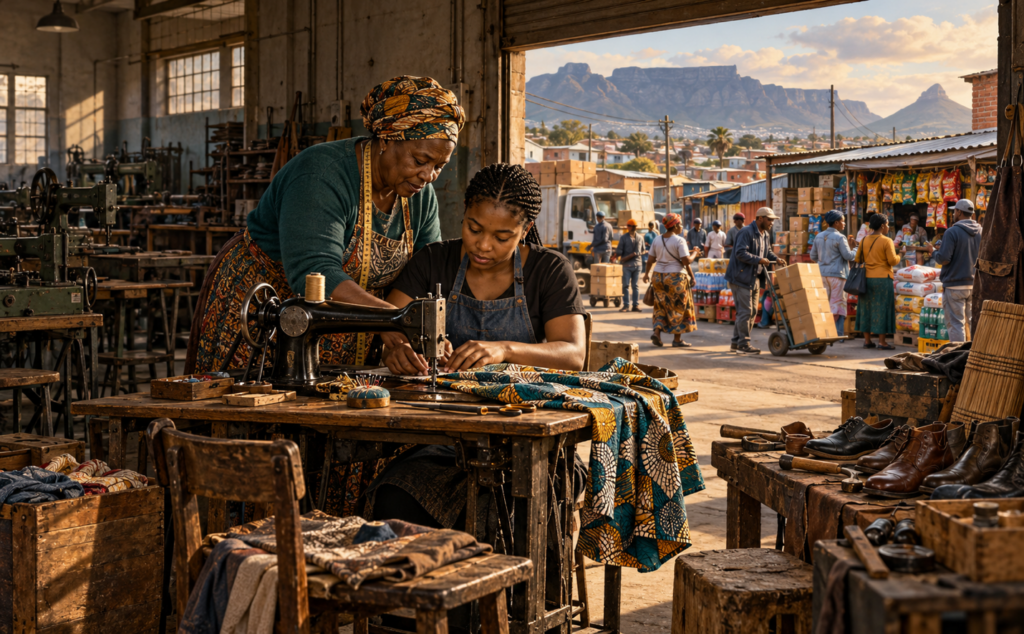
Late in August 2026, I had the opportunity to visit 14 townships across the Western Cape in search of product-based entrepreneurs. If approved, these entrepreneurs would form part of the Township Digital Market Access programme, which seeks to empower product-based township businesses with digital skills and guide them towards listing their products on leading ecommerce platforms in South Africa. That trip led me to reflect on our ability to produce goods and services as people of colour.
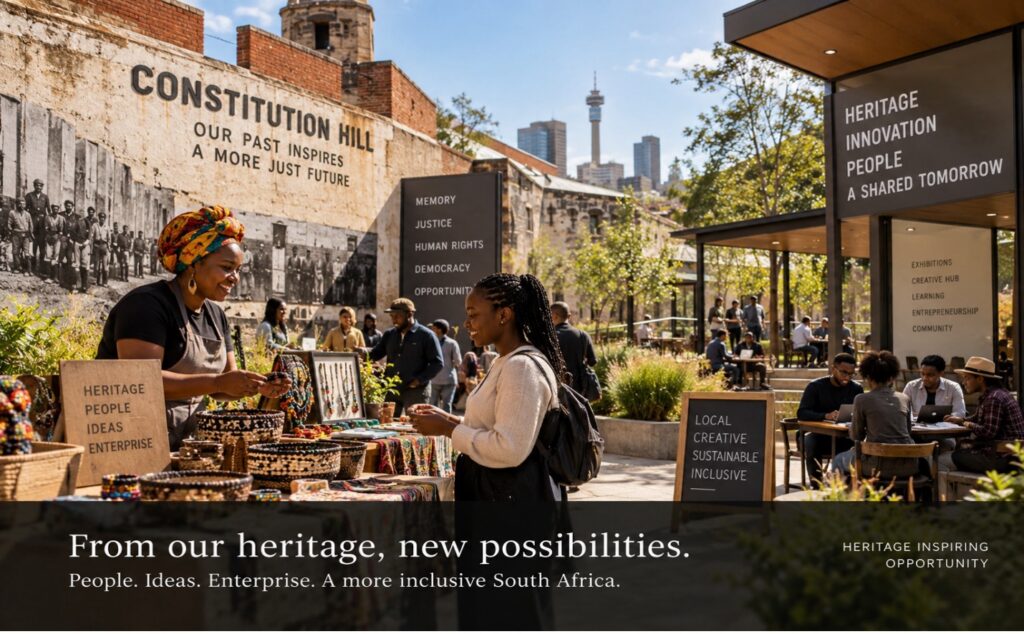
READ MOREMuseums, archives, libraries, memorials and cultural centres protect stories, objects and traditions that cannot be replaced. Yet preservation and economic participation are not opposites. In a country that urgently needs jobs, skills and stronger local economies, heritage institutions can protect memory while helping people build livelihoods. The economic case is already visible. The South African Cultural Observatory’s 2022 mapping study found that cultural and creative industries contributed 2.97% of national GDP in 2020, about R161 billion and supported roughly 1.13 million jobs. Stats SA also reports that tourism employed about one in every 22 working South Africans in 2018. Heritage institutions sit where these two economies meet: culture supplies distinctive content, while tourism, education and digital markets create demand.
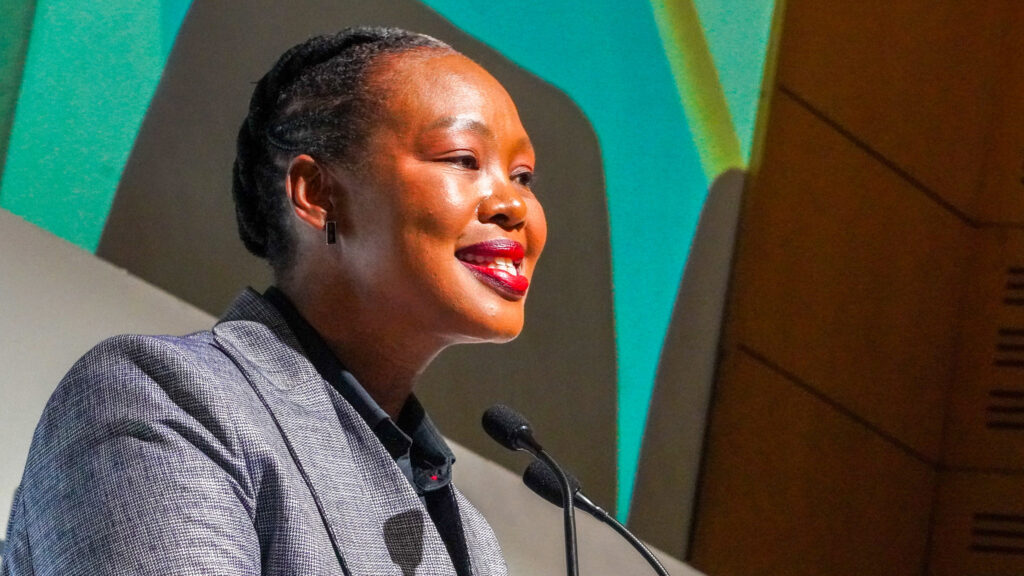
READ MORECape Town, 17 September 2026 — The need to make it easier to start, operate and grow a business in South Africa took centre stage on the second and final day of the 2026 Global Entrepreneurship Congress (GEC+Africa), with Minister of Small Business Development Stella Tembisa Ndabeni calling for simpler regulation, stronger infrastructure and closer collaboration between government and entrepreneurs.
READ MORE[mailpoet_form id=”1″]
Stay informed and receive timely updates on startup huddle industry events, business incubation opportunities, office space rental and more. Whether you're at ideation phase or an established entrepreneur, our newsletter has information you can use to succeed. Become a member of our startup community today!
22 On Sloane is the largest startup campus in Africa. The campus offers disruptive startups and innovative SMEs a complete turnkey solution to scale, from the initial idea all the way to commercialisation, funding opportunities and access to markets. Its aim is to nurture the entrepreneurial mindset, ensure their sustainability, and explore development of new industries and contribute towards job creation in Africa.
Email: info@22onsloane.co
Tel : 011 463 7602 (Joburg Hub)
Tel : 021 020 1303 (Cape Town Hub)
Cape Town Hub:
39 Somerset Road, Green Point, 8005, Cape Town, South Africa
Joburg Hub:
Cnr Winnie Mandela Drive and Sloane Street, Bryanston, 2191, Johannesburg, South Africa