Press Release | November 6, 2025

Media Release | Startup20 South Africa Hands Over Final Recommendations To The G20 Presidency
Africa is not the future of innovation; Africa is innovation
We know exactly what you’re thinking -not another Startup20 piece. Surely by now, we’ve said all there is to say, written every reflection, and debated every policy point? But here’s the thing: in true African fashion, when something truly matters, we don’t just say it once. So yes, think of this as part of our grand tradition of mulling things over until the ancestors themselves nod in agreement, because this one really does matter.
For those of us who’ve been in the trenches of the Startup20 process, the recommendations handover ceremony to the G20 felt like the final scene of an epic film, one filled with late-night writing sessions, spirited debates, and endless cups of coffee. It reminded us that policymaking, when done inclusively, can be an act of service, a means of affirming the dignity, creativity and potential of people.
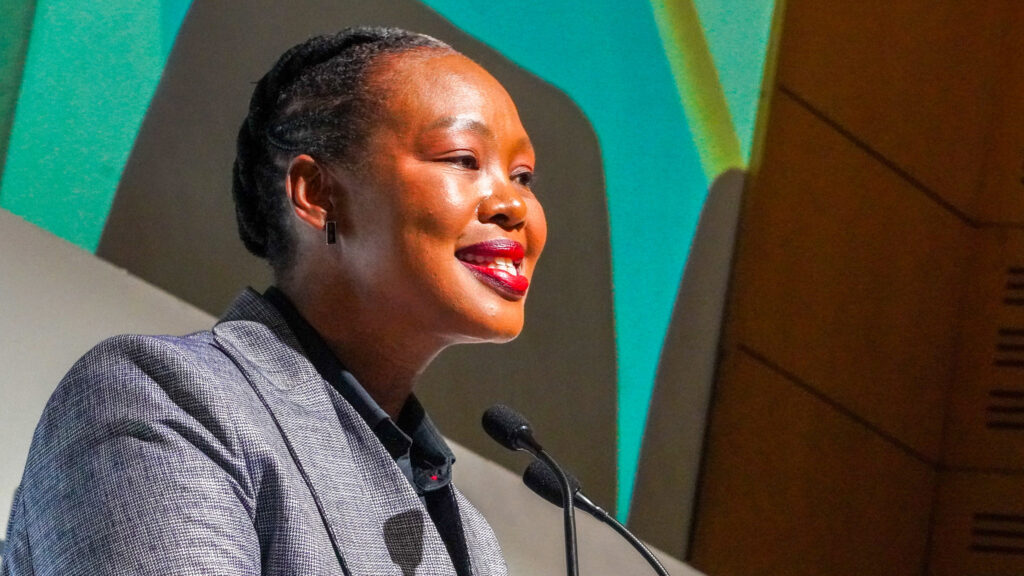
The 22 SU20 recommendations are far from abstract; they are pragmatic, evidence-based and rooted in the lived experiences of entrepreneurs across the globe. Under South Africa’s leadership, the engagement group took on a distinctly African identity, rooted locally yet globally ambitious, perfectly captured by the Minister of Small Business Development at the handover who declared, “Africa is not the future of innovation; Africa is innovation”. The Foundation and Alliances recommendations propose mechanisms such as the Global Ecosystem Exchange (GEX) and the Global Entrepreneurial Learning Alliance (GELA), designed to link African startups and MSMEs into global networks of learning, trade and investment. They provide the institutional backbone for transnational collaboration, ensuring African innovation systems are connected and visible in the global economy.
Inclusion and Sustainability, another core pillar, situates innovation within South Africa’s Just Transition framework. It advances a bold vision of green and inclusive growth, with R5 billion in green finance mobilisation, 50 000 MSMEs accessing affordable climate-aligned capital and 60 000 learners trained in sustainability-driven entrepreneurship. It makes the compelling case that growth and responsibility are not opposing forces but mutually reinforcing imperatives.
The Finance and Investment Taskforce, meanwhile, takes on the challenge of closing the global USD 1.7 trillion MSME funding gap. It calls for instruments such as the Global Startup Economy Fund, harmonised tax incentive frameworks and tokenised community finance to unlock USD 150 billion in new capital flows by 2030, ensuring that at least 30% of this capital reaches women, youth and rural entrepreneurs.
Trade and Market Access envisions a harmonised digital trade architecture, one where African startups can operate seamlessly across borders. Its Global Exchange system aims to link 1 000 institutional partners and 3 000 collaborative projects, fostering an integrated global trade ecosystem grounded in innovation, sustainability and equity.
Perhaps the most transformative of all, Township and Rural Entrepreneurship calls for decentralised finance systems, community investment vehicles and digital infrastructure to unlock opportunity for those often left behind. Its goal is ambitious yet achievable: ten provincial finance platforms, 45 innovation hubs, 20 000 trained facilitators and over USD 150 million in catalytic and community capital by 2030. It recognises that the next wave of innovation will not emerge from glass towers but from the vibrant streets and villages where creativity already thrives.
Together, these recommendations form a coherent blueprint for possibility. They align with South Africa’s National Development Plan, the Just Transition framework and the African Continental Free Trade Area, offering a practical roadmap to turn entrepreneurship into a systemic engine of inclusive growth. More importantly, they demonstrate that Africa can design and export policy innovations that respond to both local and global challenges.
The Startup20 process has also been a reminder of the power of collaboration. The writing of the recommendations was not confined to conference rooms; it unfolded through dialogue, shared learning and a willingness to listen. It was a process of co-creation in the truest sense, guided by evidence, and a deep sense of collective responsibility.
As we now prepare for the upcoming SU20 Summit on the 13-14 November 2025 and the G20 Social Summit, where these recommendations will be shared with our global counterparts, we do so with quiet confidence and pride. The handover of the recommendations to the G20 is not the end of a journey but the beginning of a new phase of implementation and accountability. It challenges us, as policymakers, investors and citizens, to ensure that the principles contained in these pages translate into tangible change.
Boitshoko Shoke is the Content Lead for the Startup20 (SU20) of the G20 and the Research and Impact Manager at 22 On Sloane, Africa’s largest startup campus.
Dr Ayanda Sibiya is a Senior Lecturer in the Department of Business Management at the University of Johannesburg. She is also a member of the Township and Rural Entrepreneurship Taskforce of the SU20.
For Media inquiries:
Bernadette Bule
Business & Partnerships Manager
Email: Bernadette@22onsloane.co
website: www.su20.org